
North Dakota Parenting Plans (Custody Agreements)
A parenting plan explains how parents are to handle raising their children in separate households.
A parenting plan is required in any North Dakota case involving child custody. If you agree on a plan, you'll create it together. If you disagree, you'll each create your own plan for the judge to consider.
Parenting plan templates
North Dakota allows parents to use any template to create a parenting plan.
The state's parenting plan template covers the basics. It's called Exhibit A in cases between unmarried parents and Exhibit B in divorce cases.
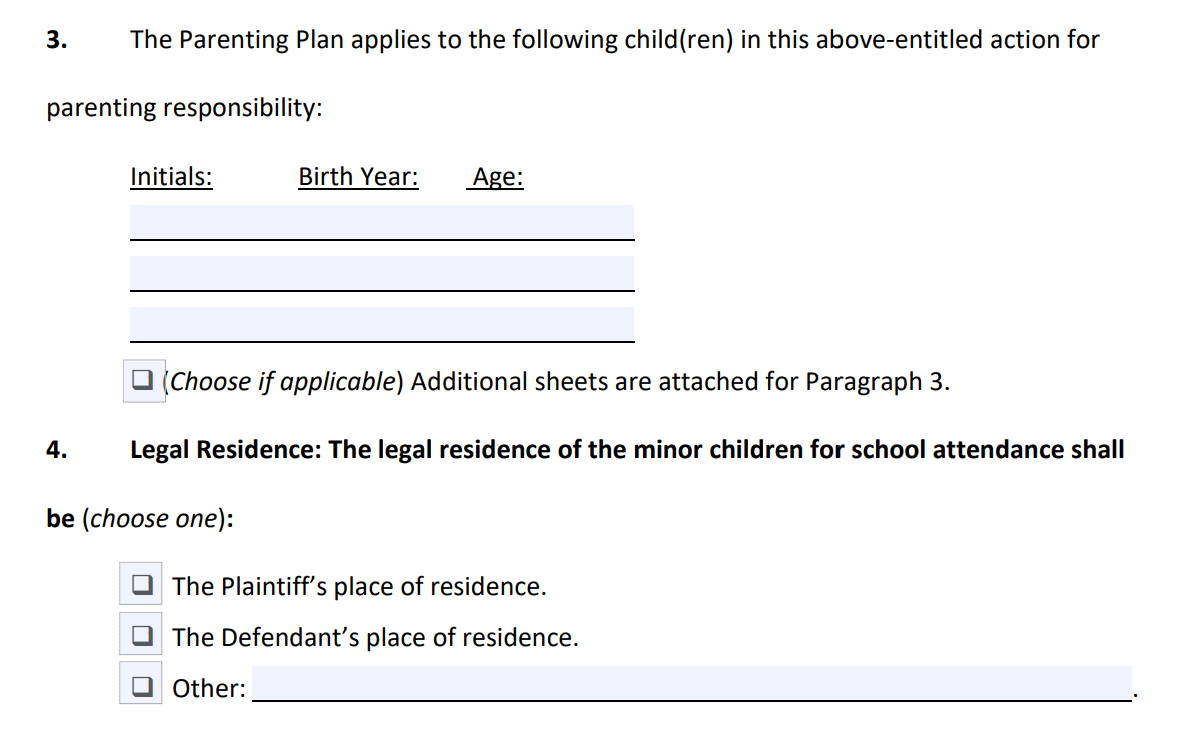
If you want to go more in depth, the Custody X Change parenting plan template offers more than 100 provisions and the option to create your own.
Try this with Custody X Change.
You could even combine the two templates.
Terms you must include
At a minimum, your plan must address the following.
Residential responsibility
Include the type of residential responsibility you and your ex will have:
- Primary residential responsibility: The child lives with one parent most or all the time. The nonresidential parent has specific parenting time periods.
- Equal residential responsibility: The child lives with each parent for nearly equal time.
- Split residential responsibility: There are multiple children, and each parent has primary residential responsibility of at least one.
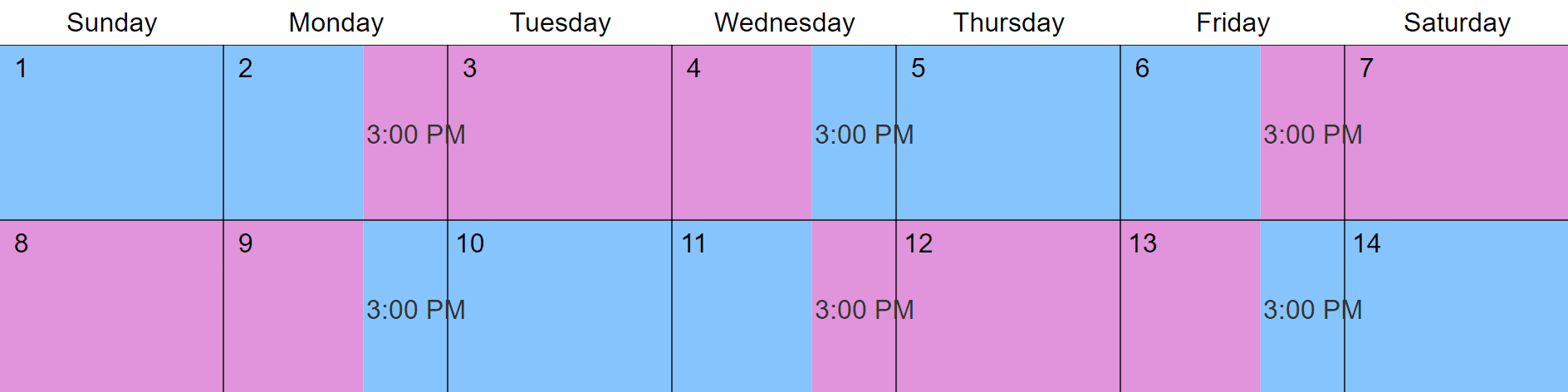
You'll need a written parenting time schedule describing when the child will be with each parent. Include holidays and school breaks. Adding a visual calendar makes your schedule easier to follow.
 Try this with Custody X Change.
Legal residence for school attendance
If you have equal residential responsibility, specify which parent's address you will use to enroll your child in school.
Decision-making responsibility
Decision-making responsibility gives you the right to make major decisions about the child's schooling, religion, healthcare and more.
Parents usually have shared decision-making responsibility, which gives them equal say.
In rare cases, one parent has sole decision-making responsibility, which means they make all major decisions.
Parents can make minor decisions for the child when they are with them (e.g., what they wear, what they eat), regardless of the arrangement.
Information sharing
Detail how parents will share important documents, like the child's school records and parents' work schedules.
Transitions and transportation
Specify how the child will go from one parent's home to the other's.
Parents who get along well can simply drop the kids off at one another's homes.
When parents have significant conflict, "judges love transitions directly from daycare or school," said Attorney Misty Nehring of Williston. One parent does the drop-off; the other does the pickup. Another option is exchanging the child in a public place, like a grocery store parking lot.
Also, cover whether third parties, like grandparents or significant others, can transport the child.
Reviewing and modifying the plan
Over time, you might need to adjust the terms of your plan. Explain how you will handle making changes. Maybe you'll have periodic reviews or review the plan as necessary.
Dispute resolution
Decide how you will handle disagreements. Will you return to court or try an alternative dispute resolution method? Judges like plans that commit to resolving disputes outside of court.
Some parents assign a mutual friend to act as the tiebreaker when they can't agree on something.
Optional terms
Add more terms to customize your plan to your situation.
Child support
If you agree on child support, you can include it in your parenting plan.
You must calculate your support amount using the child support guidelines. You're allowed to agree to a different amount, but the court has to rule that it is in the child's best interests.
Extracurriculars
Say each parent will get the child to extracurriculars when the extracurricular falls during their parenting time.
Makeup time
State how much notice parents must give before arriving late or missing a visit, and how you will handle rescheduling visits.
Children's belongings
Are the kids allowed to take clothing, toys and other items a parent buys to the other parent's home? If so, when must they be returned?
Mutual respect
Specify that parents cannot badmouth one another in front of the child and must keep communication respectful.
The easiest way to make a parenting plan
When you're writing a parenting plan, it's critical you use airtight language that leaves no room for interpretation.
If you hire a lawyer, they'll write up the plan and ensure it meets the court's requirements.
If you write your own plan, use technology to take guesswork out of the equation. The parenting plan template in the Custody X Change online app walks you through each step.
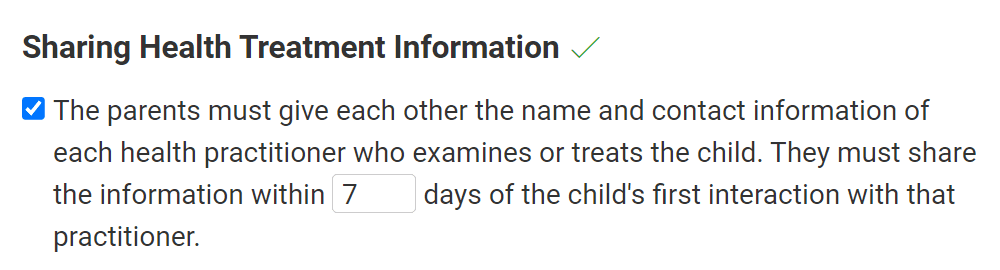
The result is a professional document that demonstrates your competence as a parent from the first glance.
The easiest and most reliable way to make a parenting plan is with Custody X Change.
Frequently asked questions
Where can I get help making a parenting plan?
A lawyer can help you create a parenting plan proposal or write a plan negotiated with the other parent. A mediator works with both parents to help them agree and create a plan. The Custody X Change parenting plan template helps you do it all yourself.
How do I make a parenting plan legally binding once we agree?
A parenting plan becomes legally binding by the approval of a judge. You'll need to start a custody case, then file your plan. The judge might call you to court for a hearing to confirm that both parents agree to the terms and that the terms are in the child's best interests.