
Parenting Plans in Washington, DC | Custody Agreements
A parenting plan helps parents who are not in a relationship raise their children apart.
Parents who agree on how to handle custody create a parenting plan together. If they don't agree, a parent can still propose a plan to the court. Either way, the terms must be in the child's best interests.
Parenting plan templates
D.C. lets you use any parenting plan format.
D.C.'s parenting plan template covers the basics with fill-in-the-blank boxes.
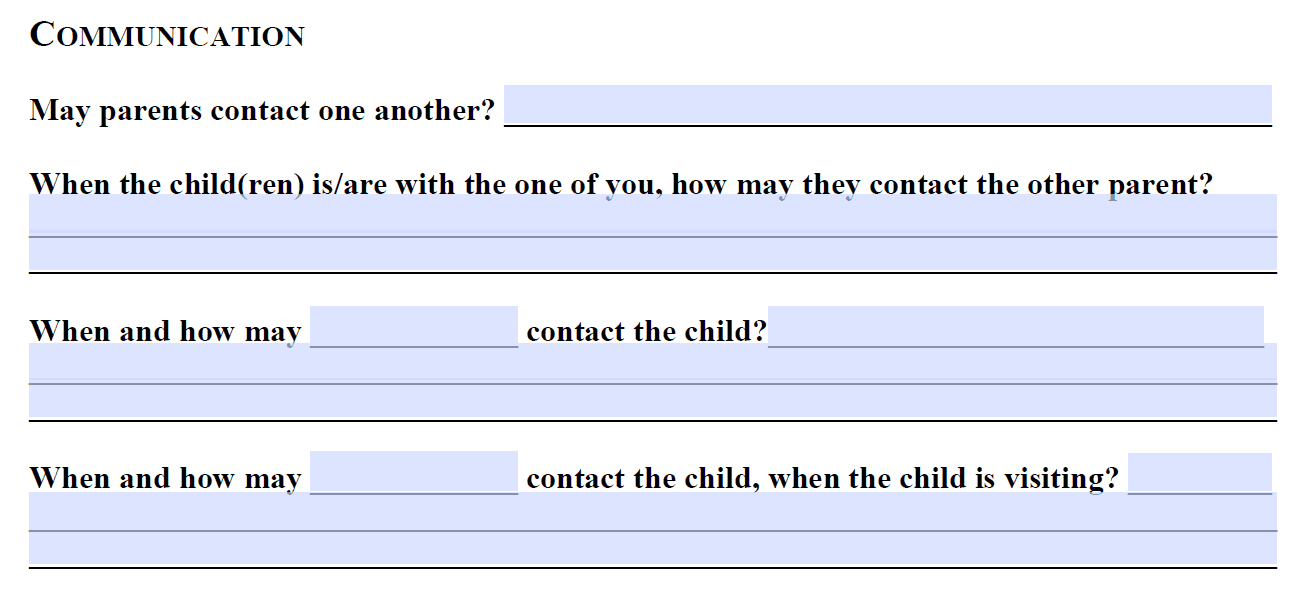
The Custody X Change parenting plan template is interactive, with over 140 parenting provisions and the ability to create your own.
Try this with Custody X Change.
Topics to cover
Here's what you should include in your parenting plan.
Physical custody
Physical custody determines the time the child spends with each parent.
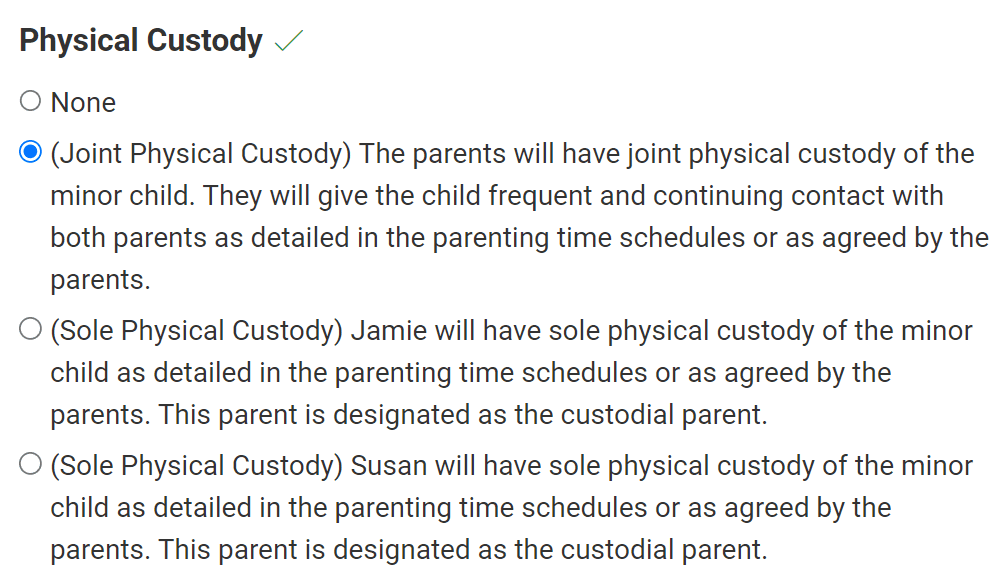 Try this with Custody X Change.
- Joint physical custody is when the child spends nearly equal time with both parents.
- Sole physical custody is when the child lives primarily with one parent. The noncustodial parent has visitation.
A custody schedule is where you explain exactly when the child will be with each parent on normal days and during holidays, birthdays and vacations.
Legal custody
Legal custody is the right to make important decisions about the child's education, health, religion (if they will have one), extracurriculars and more.
- Joint legal custody gives parents equal say in child-related decisions. This is most common. You may give one parent tiebreaker authority.
- Sole legal custody gives one parent the right to make child-related decisions. This is rare and generally only ordered if one parent is unfit.
Both parents can make day-to-day decisions for the child, like what they'll eat and wear, when the child is in their custody. Your plan only needs to address who will make major decisions.
Transportation and exchanges
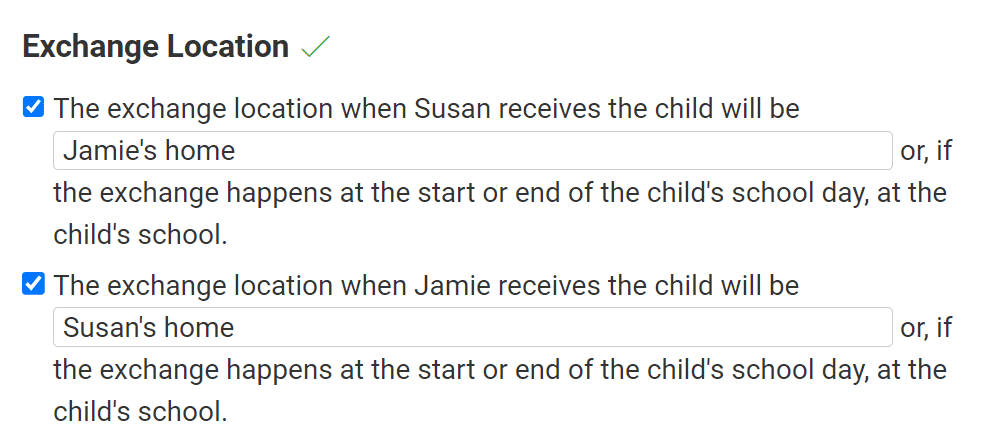
Explain how the child will go from one parent's home to the other's. Some parents are fine exchanging the child at their homes. Parents who don't get along may exchange the child in a public place, like a supermarket parking lot or police station. If the parents have significant conflict, they can have supervised exchanges.
Access to the child's records
Parents have equal rights to access documents related to their child. Specify how you will share doctor's appointment notes, report cards and more. Plus, say how soon parents must share these documents after receiving them.
Communication
Cover how the child can stay in touch with the other parent while they're apart. You might also give parents the right to know where their child is during visits.
Cover acceptable methods of communication between parents, too. Using a co-parent communication app allows you to keep all conversations about your child in one place.
Child support
Child support ensures the noncustodial parent covers a fair share of the child's expenses.
If you agree on the amount of child support the noncustodial parent should pay, you can include it in your parenting plan. The court has to agree that the amount is enough to meet the child's needs. Otherwise, it won't approve this part of your plan.
Resolving disputes
Include how you will handle disagreements over raising your child.
You could assign a mutual friend to act as the tiebreaker, go to mediation, or hire a parenting coordinator to make the final decision.
Optional topics to cover
You may add as many additional terms as you'd like.
Right of first refusal
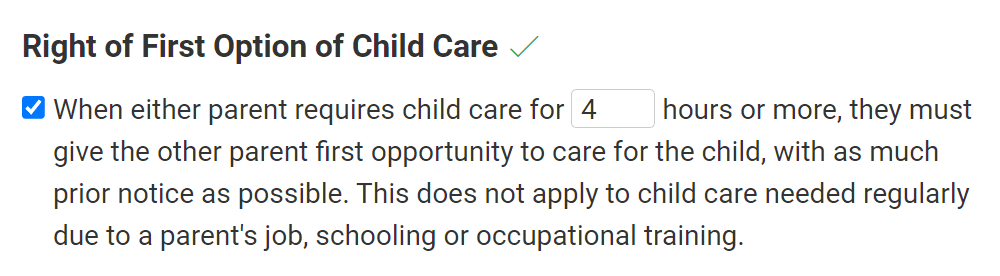
If you put this right in your plan, then when a parent will be unavailable during their custody time, they must ask the other parent if they want to watch the child.
Sharing work schedules
Work schedules affect parenting time, so it's important to share them with each other. Making this a requirement will help you plan makeup time and virtual visitation if the parent needs to travel for work.
You should also share your custody schedule with your employer. You can put a term in your plan like, "Both parents will share the custody schedule with their respective employers."
Regular calls
Parents often allow each other voice or video calls so that the parent who doesn't have the child can stay connected. Say when these will happen.
Claiming the child on taxes
To avoid disagreements, plan who can claim the child on taxes. Maybe you'll alternate years, or maybe the same parent will always claim the child.
Expenses not covered by child support
Your child might have an expensive medical bill you don't see coming. Plan ahead for how you will split expenses like this.
Using an expense tracker helps keep each parent responsible for their share of the costs.
Modifying your plan
Your child's needs will change as they get older. Specify how you will manage modifying your parenting plan. You might talk it out one-on-one to make a "kitchen table agreement" or go to mediation or court.
The easiest way to make a parenting plan
When you're writing a parenting plan, it's critical you use airtight language that leaves no room for interpretation.
If you hire a lawyer, they'll write up the plan and ensure it meets the court's requirements.
If you write your own plan, use technology to take guesswork out of the equation. The parenting plan template in the Custody X Change online app walks you through each step.
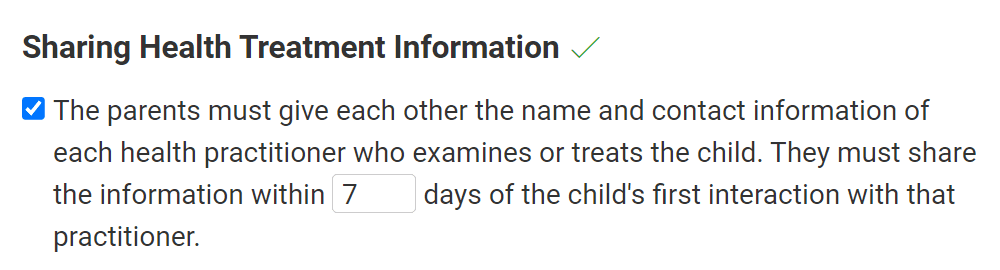
The result is a professional document that demonstrates your competence as a parent from the first glance.
The easiest and most reliable way to make a parenting plan is with Custody X Change.
Frequently asked questions
Do D.C. courts offer help creating a parenting plan?
Yes, D.C. Superior Court has a Multi-Door Dispute Resolution Division. You can contact the division to voluntarily attend mediation, or a judge may order you to go. If you reach an agreement in mediation, the mediator will write it into a parenting plan for you.
How does a parenting plan become a court order?
The judge may adopt your plan as the custody order if it serves the child's best interests. You can submit your plan at any point, ideally when you start your case. Even if you don't agree with the other parent, you should submit a proposed parenting plan to show the court the arrangement you want.
Can a parenting plan be too long?
Generally, no. If parents agree on their plan, regardless of its length, the court is likely to approve. Parents with higher conflict generally need a longer plan than parents with little conflict.