
Parenting Plans in Puerto Rico (Custody Agreements)
Parents who agree on custody arrangements must create a custody agreement, also called a parenting plan.
You may negotiate with the other parent one-on-one, hire an attorney to help, or go to mediation. Once you have a written agreement, you can file it with the court so it can become your official custody order.
Parenting plan templates
You can find family court forms online that include space for your custody agreement.
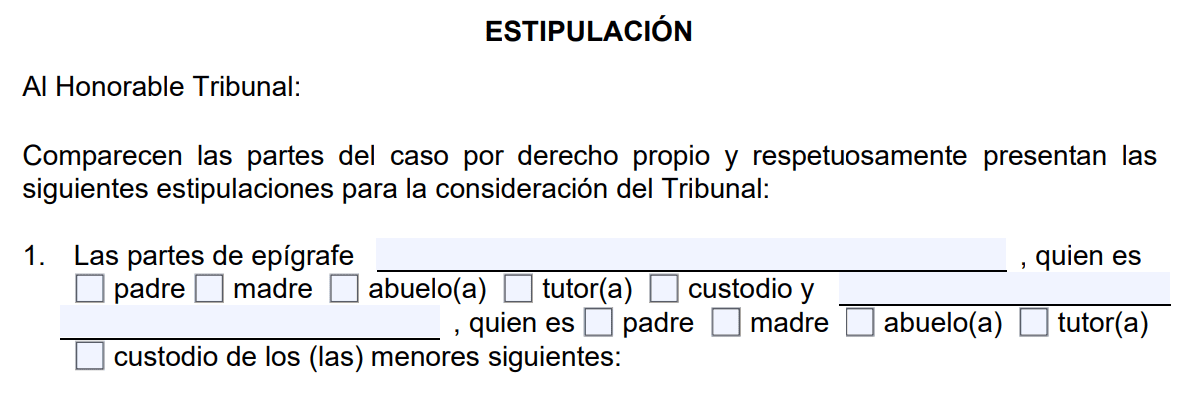
If you agree on all the terms of your divorce, use the divorce petition by mutual consent (OAT 1472 or OAT 1473) when you open your case. It asks for information about your agreement.
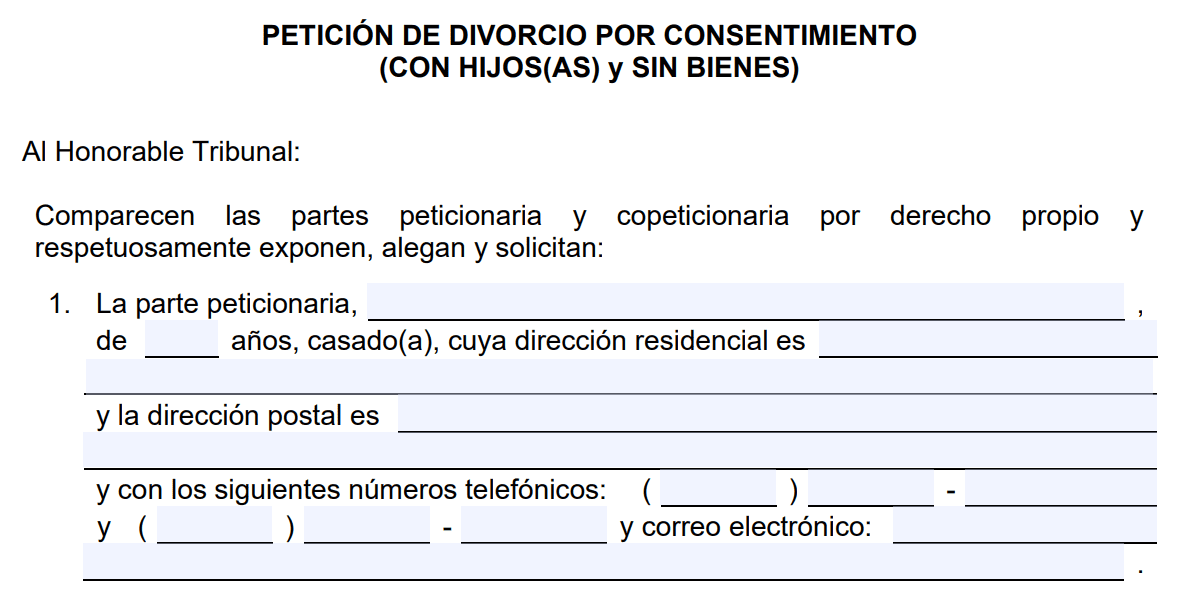
For an agreement just about custody, you can file a motion about a custody agreement (OAT 1487).
Another option is to use the Custody X Change parenting plan template. It's interactive, with over 140 parenting rules to choose from so you won't leave out anything important. It can add detail to the mutual divorce petition or replace the custody agreement form entirely.
Try this with Custody X Change.
Terms to include
Here's what your agreement should cover.
Physical custody
Physical custody gives a parent the right and responsibility to provide the child's primary home.
In PR, joint physical custody is the court's official preference (as long as it's best for the child). The child could split time with parents 50/50 or live with one parent more than the other.
In sole physical custody, only one parent is custodial. The other one (called the noncustodial parent) still gets frequent visits in most cases.
Specify which arrangement you agree to in your parenting plan. Include a visitation plan to explain when the child will be with each parent.
 Try this with Custody X Change.
Parental rights
Parental rights (also called legal custody) give parents the right to make decisions about their child's education, health care and other important matters.
Joint parental rights are most common, giving both parents the right to make major decisions. Say that you agree to this in your plan, and include any specifics of how you'll make decisions.
Usually, a parent only gets sole parental rights if a court finds the other parent can't make decisions reliably. The court can temporarily take parental rights if a parent is incarcerated, incapacitated or ill.
Exchanges
Figure out how the child will go from one parent to the other. You could bring them to each other's home, or exchange them at the police station or grocery store.
If you're worried that arguments will break out during the exchange, you could assign another person to oversee exchanges.
Child support
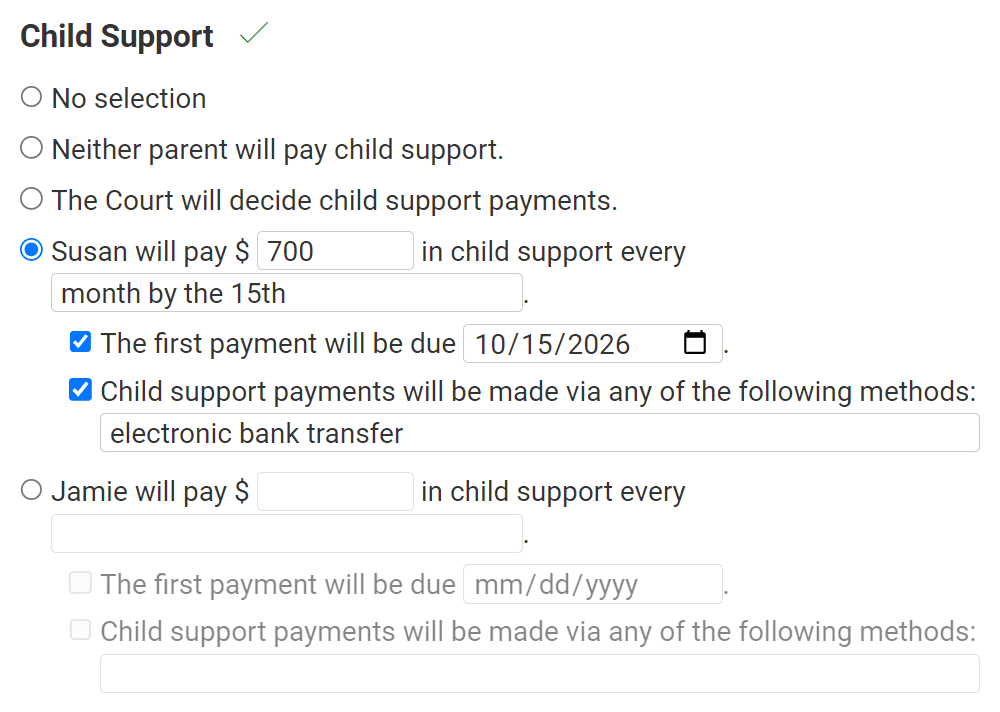
If you agree on child support, put it in your parenting plan. The court or ASUME (PR's child support agency) decides whether to approve an amount that differs from the guideline calculation.
If you disagree, the custodial parent can apply for child support.
Child care
Specify rules for day care, babysitters and relatives to care for the child when necessary. Some parents require that they give each other the chance to watch the child before they reach out to someone else.
Moving
What happens when a parent wants to move with the child? You might agree now to stay in a certain area. If a parent is likely to move outside of Puerto Rico, you can agree on how it would affect custody.
Communication
Explain how you will talk about parenting issues. You might catch up during exchanges, allow phone calls and texts, or use a parenting communication app. You could also cover how you will split the cost of the child's cellphone and internet.

Travel
What are the rules if a parent wants to travel overnight or outside of Puerto Rico with the child? How much notice must a parent give before the trip? Must they provide an itinerary? Contact information?
Late or missed visits
Planning ahead for late or missed visits could help you avoid a lot of arguments. For example, you might specify that you will cancel a visit if the parent is more than an hour late. Consider whether you will allow makeup time for missed visits.
Modifications
Describe how you will change the parenting plan when necessary. Judges like to see parents commit to trying mediation should they ever have trouble agreeing on changes.
Getting court approval
Your parenting plan needs court approval to become a court order.
The court will only approve it if it's in the child's best interests and both parents agree to it. The judge will consider several factors, including:
- Parents' mental health
- Parental fitness
- History of domestic violence
- The child's closeness with extended family
- Parents' ability to meet the emotional and financial needs of the child
- Distance between parents' homes
- Willingness and availability to co-parent
Once your parenting plan is signed as an order, you must follow it. Any disobedience could land you in court.
The easiest way to make a parenting plan
When you're writing a parenting plan, it's critical you use airtight language that leaves no room for interpretation.
If you hire a lawyer, they'll write up the plan and ensure it meets the court's requirements.
If you write your own plan, use technology to take guesswork out of the equation. The parenting plan template in the Custody X Change online app walks you through each step.
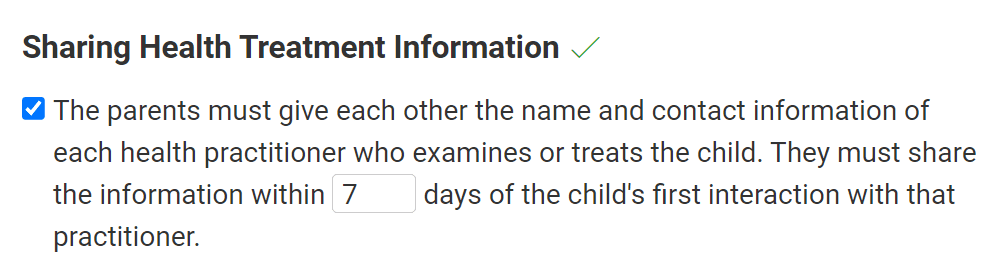
The result is a professional document that demonstrates your competence as a parent from the first glance.
The easiest and most reliable way to make a parenting plan is with Custody X Change.
Frequently asked questions
Do we have to file our parenting plan with the court?
No, but it won't be an enforceable court order if you don't. This means that a parent could disobey the terms without consequence. Getting a court order is highly recommended to increase the likelihood of both parents following the agreement.
Can I make a parenting plan if the other parent and I disagree on custody?
You can, but it's up to the judge whether to consider it. Parents who disagree usually propose arrangements in their custody petition or their answer to the petition.