
About Us | Sign In | Help
Custody X Change Logo

Creating Joint Custody Parenting Plans


How do I make a joint custody parenting plan?

You can write up your own parenting plan (on your own or with the other parent) or you can work with an attorney or legal professional and have them create it. If you don't want to pay the high cost of an attorney, and want to easily make your own agreement, you can use the Custody X Change software.

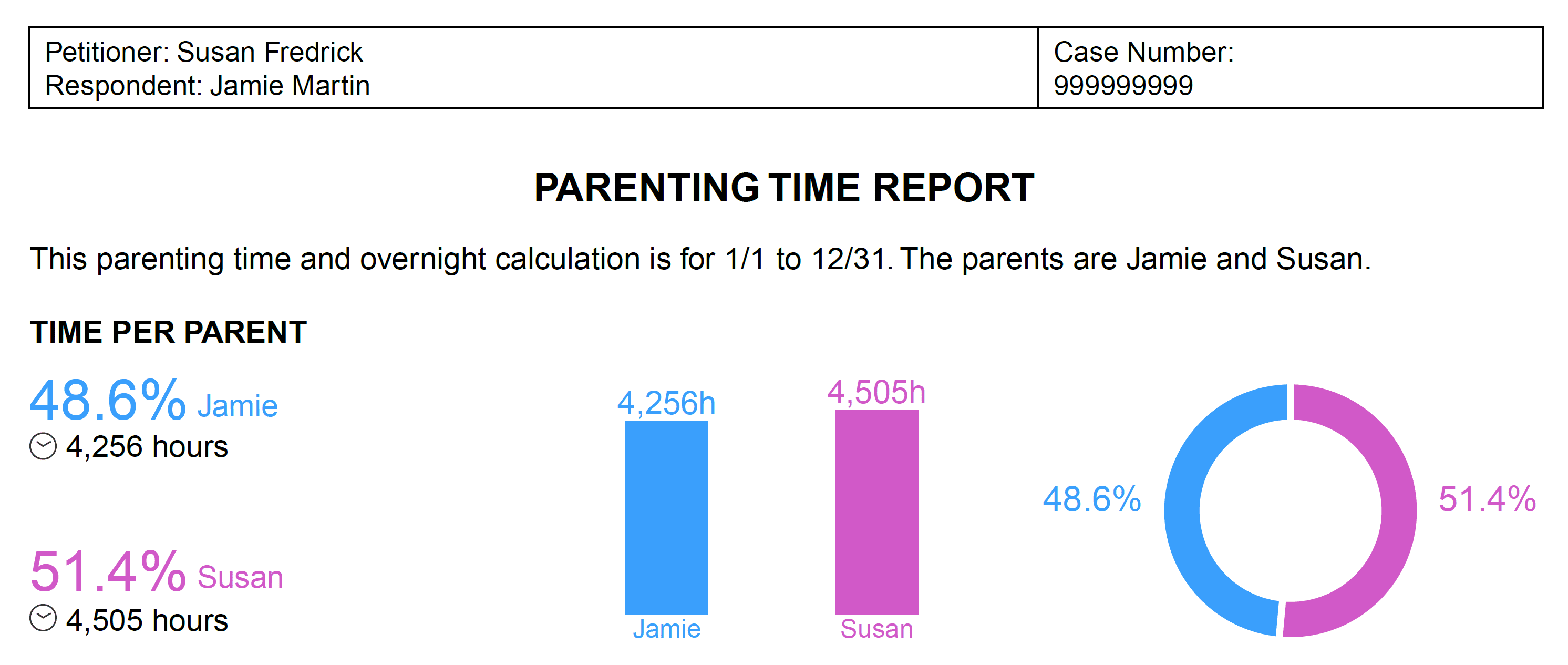
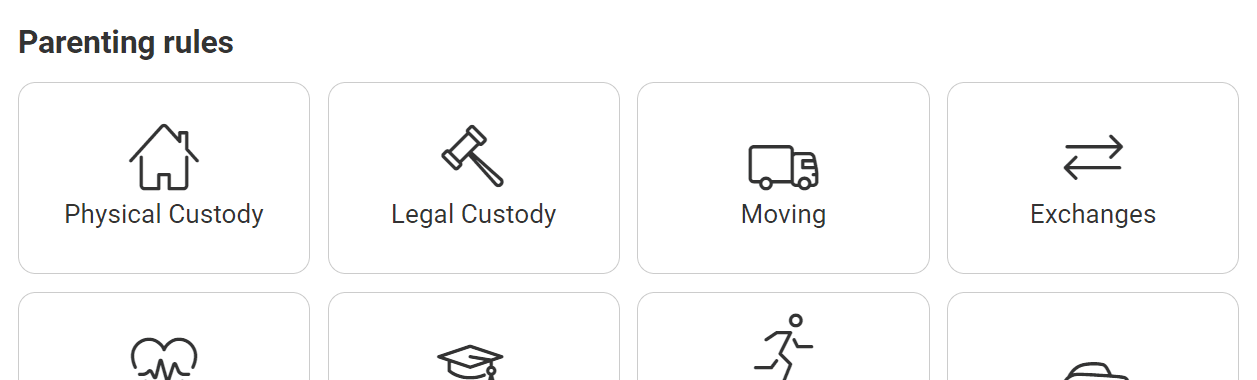
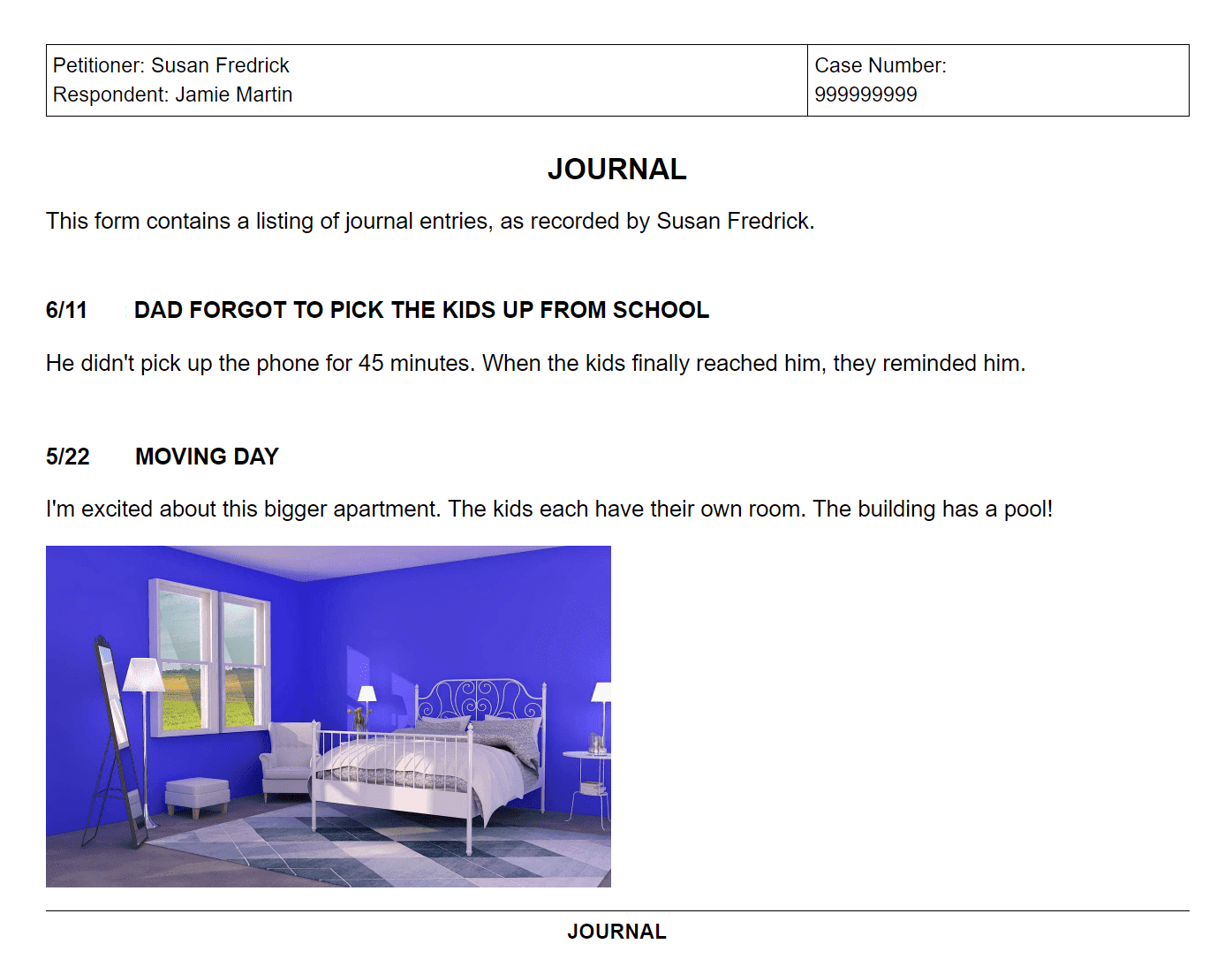
Custody X Change is software that creates parenting plans. You make each part of your agreement, and then you can print professional documents of your plan. Download a free 30-day trial and see how it can help you.

You can use Custody X Change to:

  • Explore options for your parenting plan
  • Negotiate an agreement with the other parent
  • Work with your attorney to come up with a parenting plan you like
  • Prepare sample agreements for mediation
  • Make a plan to present in court
  • Track your plan once it is in place

Why do I need a joint custody parenting plan?

When you divorce, your children need a parenting plan that accurately reflects how you and the other parent intend to raise them while sharing custody. Even though you are separating, your children will benefit when you both work to develop cohesive guidelines and expectations of what co-parenting will be like.

A joint custody parenting plan outlines the children's residential arrangements, including a predictable schedule, keeps changes and transitions to a minimum and encourages a healthy relationship with each parent and any siblings.

For you as a parent, a joint custody parenting plan can help you and the other parent work out how to make decisions and resolve disagreements. It contains solutions to details that might cause conflict later, such as where the children spend holidays or who is responsible for doctor's appointments.

Most states require separating parents to file some kind of formal parenting plan as part of your divorce and custody proceedings. Even if your state does not require a parenting plan, it is essential to formalize your parenting expectations for the sake of your children.

Always check your state's family law statutes to find out if you must create a formal parenting plan, and whether you need an attorney to submit it to the family court. Custody X Change software provides parenting plan templates so you can create parenting plans for your attorney or for the court.

Who creates our joint custody parenting plan?

Most professionals agree that because you and the other parent know your children best, you should work together to create a joint custody parenting plan for the best chance of success. However, attorneys or other experienced third party agents can draft them for you.

There are certain components that must be included in a joint custody parenting plan, including:

  • A schedule that shows where the children will reside on any given day, including special events like holidays, birthdays and so forth.
  • Agreements about which parent is responsible for making decisions about the children's education, medical needs and other developmental issues.
  • Guidelines on how both parents will resolve disagreements when they arise, such as meeting with a mediator or other third party counselor.
  • Steps on what happens if one parent needs to relocate for employment or other reasons.

You and the other parent should work out a large part of the joint custody parenting plan so that it reflects what is best for your children. As long as each aspect of the joint custody parenting plan does not hinder healthy development and growth, family courts are more likely to approve your joint custody parenting plan.

Software like Custody X Change can help you and the other parent get started on creating a workable joint custody parenting plan because it provides templates that help you address a range of issues for different ages of children.

What do successful joint custody parenting plans have in common?

The most successful joint custody parenting plans allow both parents to have a stable, meaningful part in raising their children. The joint custody parenting plan works best when both parents acknowledge that the other provides valuable contributions to their children's development.

Here are a few of the features found in successful joint custody parenting plans:

  • Age appropriate schedules for children that provide quality time with both parents
  • Focus on enhancing the children's physical, mental and social development
  • Less time with third party caregivers and more time with each parent
  • Effective communication procedures between parents, resulting in reduced conflict
  • Flexibility in promoting what the children need over what parents want
  • Consistent rules and discipline for both households
  • Outlines on what happens when either parent ceases to follow the parenting plan
  • Steps to take when disagreements arise
  • Set times to re-evaluate the parenting plan and revise as needed

Each family is made up of unique individuals and no single parenting plan will work for everyone. You and the other parent should incorporate the common factors for success into your joint custody parenting plan, then revise it to meet your own specific needs and that of your children.

What kind of joint custody parenting plans work best for young children?

Young children need reassurance that both parents are invested in their care, and a detailed joint custody parenting plan can provide stability and clarity in a confusing situation. Parents with young children should focus on setting up a parenting arrangement that meets their needs, knowing plans can be adjusted as children age.

Here are 8 things that your joint custody parenting plan for young children should include to ensure healthy emotional development:

  1. Introduce any change to the children's current schedules slowly and incrementally
  2. Minimize transitions between houses because this can be confusing and stressful for young children
  3. Don't separate children from their primary caregiver for more than a day or two
  4. Schedule short and frequent contact with the secondary caregiver, not going for more than a day or two without a visit
  5. Approach overnight visits carefully and slowly only when the young children appear ready.
  6. Remain flexible in accommodating the desires of young children; for example, don't force a sick child to visit
  7. Plan for regular daily phone contact with the absent parent
  8. Protect children from conflict, missed visitations and other stressors.

When parents work together to put their children's best interests first, a joint custody parenting plan emerges as a fine way to co-parent because it allows the children to develop deep and meaningful relationships with both parents..

What kind of joint custody parenting plans work best for older children?

A successful joint custody parenting plan for older children emphasizes age-appropriate boundaries while allowing for independent development.

Older children are more flexible with visitations because they have a more developed sense of time and don't face the same stress when absent from one parent. Therefore, your joint custody parenting plan can feature longer continuous stays between households. However, as children develop outside interests, from hobbies to friends, there must be more time allowed with third parties.

Here are 8 factors frequently found in joint custody parenting plans that contribute toward healthy development in older children:

  1. Clearly defined schedules that children can understand in order to help them make plans
  2. Plenty of free time to pursue interests such as after-school clubs, dating or employment
  3. Regular opportunities and privacy to call or contact the absent parent
  4. Reliable support from both parents on activities, sporting events or other events
  5. Contact with extended family members, such as grandparents and cousins
  6. Similar rules, boundaries and discipline between households
  7. Consideration of the older children's opinions on living arrangements and schedules
  8. Flexibility and commitment to balance family, friends and activities as the children grow and mature

When you and the other parent are relying on a parenting plan that meets your older children's needs, almost any schedule can work. Parents of older children realize that they are working toward independence and a detailed parenting plan can help them on that journey.

Can I make changes to the joint custody parenting plan?

You can make changes to the joint custody parenting plan when you and the other parent determine that the current version is no longer working. When you both agree on the changes, it's acceptable to file a new parenting plan with the family court.

Some of the reasons parents revise a joint custody parenting plan include:

  • Children pass certain developmental milestones
  • New activities or involvements require a revised schedule
  • Children are experiencing stress and anxiety with the current plan
  • Big changes occur, such as remarriage or relocation for work
  • Older children express a desire for a different schedule
  • One parent is not following the parenting plan

Custody X Change software allows you to make revisions to your parenting plan and save the changes so you and the other parent will always have the most current copy on hand. You can also print the parenting plan for your records or to share with your attorney.


See also: