
A Visitation Timeshare Calculator and Lowering Child Support Payments

April 9th, 2010 No comments

Can a visitation timeshare calculator help you lower child support payments?

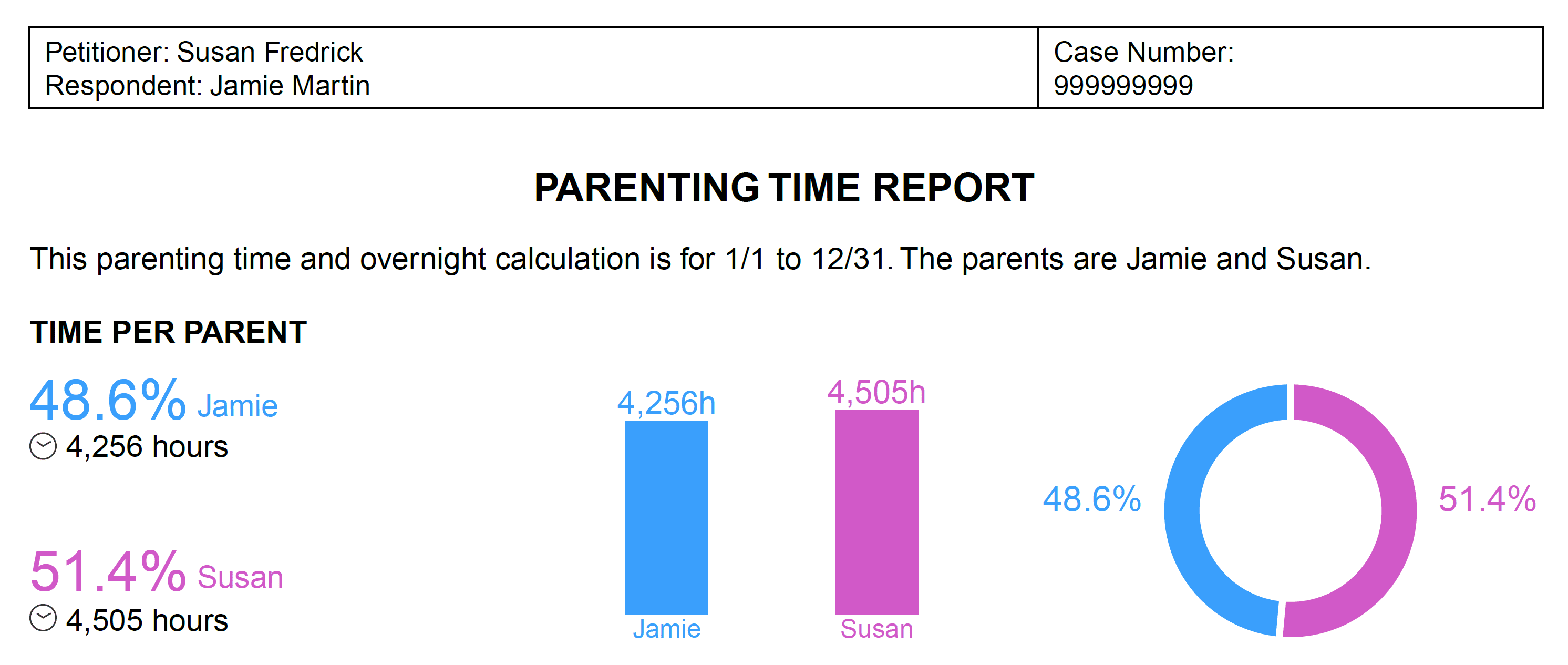
Well, a visitation timeshare calculator is something that calculates the timeshare percentage that each parent has with the children. For example, if a mother and father both split the custody time exactly in half, the timeshare percentage of each parent is fifty percent. However, because most custody and visitation schedules are not that simple, the visitation timeshare calculation is quite difficult to figure out. Parents can do the calculations themselves, or they can get a computer program (like Custody X Change) to do them.

The timeshare calculation is important because it affects the child support calculation. Pretty much every state uses some form of the timeshare percentage to determine child support (remember that every state calculates child support differently–check your state laws to know exactly how much the timeshare calculation matters). However, since this number is hard to determine, many courts and attorneys simply estimate the percentage. This means that there is a good chance that you are paying the wrong amount of child support.

So, the first step in lowering child support payments is to figure out the correct amount of support you’re supposed to pay. After that, you can use the timeshare calculator and explore some options in your visitation schedule to give you more time with the children. If your visitation timeshare increases, you’ll pay less child support. And, you’ll have more time with your children.

New Features in Custody X Change

April 7th, 2010 No comments

There are some exciting new features in Custody X Change!

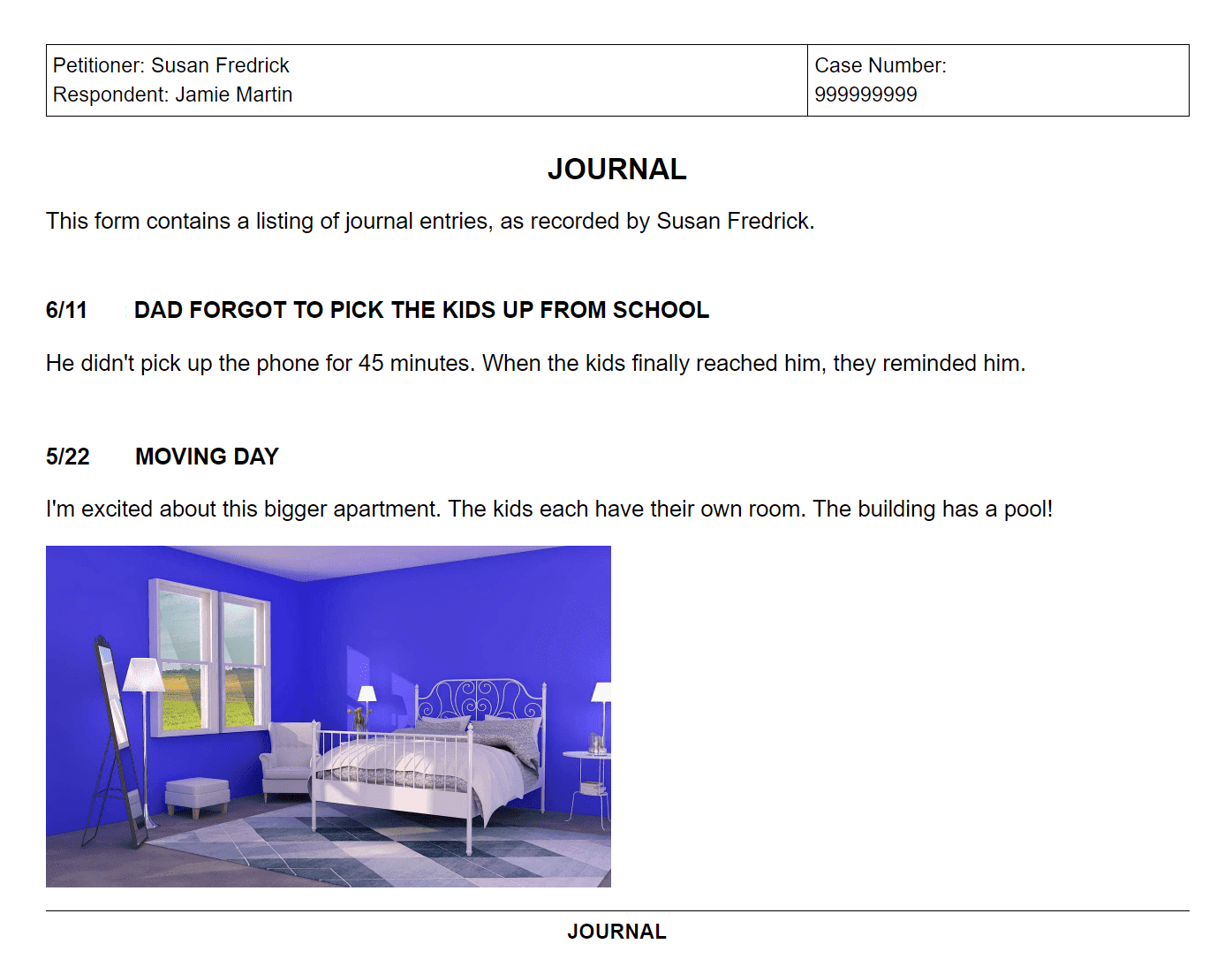
In case you haven’t heard, Custody X Change is great custody software that lets parents set up their parenting plans and custody agreements. The software makes it easy to create your ideal custody and visitation schedule and add provisions. Then you can print out professional documents with your entire plan. And, you can export all of your information to Word, Excel, and PDF. After you make the plan, you can also use the program to track visitation time and keep a custody journal.

And, now you can do more. In addition to exporting to Word, PDF, and Excel, the parenting time calendar can now be exported to be sync’ed with external programs and devices. This uses an established calendar standard, so it should work with pretty much anything, including:

  • Google Calendar
  • Yahoo! Calendar
  • Windows Live
  • Outlook
  • iPhone
  • BlackBerry
  • Palm / PDAs
  • Excel

Once you export it, just follow the instructions from whichever program / device on how to import a calendar file. (This feature is available to the Deluxe / Professional versions only.)

And, you can now get the perfect holiday schedule with holiday localizations. During the install, you can now pick what holiday set you want loaded.  The current options are: United States, Canada, & Australia.  (This is available to all versions of the software.)

You can download a free trial of the software to find out how it can help your situation.

Categories: Custody X Change Tags:

Parenting Time Schedules

April 5th, 2010 No comments

What should go into your parenting time schedule?

The parenting time schedule is the calendar that shows when the child is with each parent. It is also commonly called the custody and visitation schedule. Some states call it the parenting time schedule because they want to get away from the terms “custody” and “visitation”. There really isn’t any difference–just semantics. You do want to find out what type of language your state prefers, though, because that impacts the parenting plan and custody agreement. Some courts won’t accept a plan that says custody and visitation schedule–they want the plan to say parenting time schedule.

Anyway, once you have the language figured out, you can move on to actually created the schedule. Parenting time schedules generally include three parts:

  • The repeating cycle of parenting time,
  • A holiday schedule, and
  • Vacation time and special events

The repeating cycle of parenting time is the foundation for the schedule. This is the basic arrangement of when the child is with each parent. It is usually easiest for the parents to figure out arrangements for a few weeks, and then repeat those weeks of arrangements through the year.

The holiday schedule shows where the child is during the holidays. Parents can make this schedule according to what holidays they want to include. They need to determine the length of the holiday–when it starts and stops–and then divide the holidays between the parents.

Vacation time can go into the schedule in a few ways. Sometimes parents change the repeating cycle during the child’s vacations from school. So, for summer break the mother and father may shift the regular schedule. Parents can also add time in the schedule when they are allowed to take the child on vacation. The mother and father can schedule this right into the schedule, or they can include this as a provision in their parenting plan. Special events are any times that the normal schedule changes. Parents can add these to the schedule as they come up.

Parenting Agreements

April 2nd, 2010 No comments

A parenting agreement is another word for custody agreement and parenting plan.

Basically, your parenting agreement should contain the information about your child custody arrangements after you and the other parent divorce or separate. You make this agreement so that the state you live in knows that your child will still be cared for after the parents are separated. The agreement is also helpful for you and the other parent–it lets you specify how you and the other parent will share the responsibility of caring for the child.

Almost every state requires that divorced parents submit parenting agreements to the court. Some states have specific requirements for the agreement, and some states leave it all up to the parents. You should check your local custody laws to make sure that your agreement has everything it needs to. There are even some counties that have regulations–so you need to check with those laws as well.

Most states accept an agreement that contains a custody and visitation schedule and parenting provisions. The parenting provisions should contain the information about legal custody that you and the other parent have decided. You may also need to add provisions based on what the state mandates. Many states require that parents add provisions to the agreement that cover how the parents will resolve disputes, how the parents will make changes to the plan, how the parents will handle visitation transportation, etc. These are actually good provisions to put in any agreement–even if your state doesn’t have the requirement.

Your parenting agreement should be made in the best interest of the child. This is a law in every state–all custody decisions are made with the child’s best welfare in mind. Most of the time it is best for the child to have frequent contact and visitation with both parents. More and more states have joint custody as the best default option. If you want a different type of arrangement, you need to show how it is in the child’s best interest.

Spring Break!

March 31st, 2010 No comments

Well, spring is here, and that means spring break is just around the corner. Many people have a visitation schedule for spring break, which means that a non-custodial parent has more time during the break. If you have the kids for spring break, here is an idea to enjoy the time.

You don’t have to leave to have fun. Many parents, especially a non-custodial parent who doesn’t see the children often, feel pressure to do something big for holidays or breaks. This, of course, is fun and everyone enjoys it. However, it isn’t necessary to travel or spend a lot of money to have fun during spring break. If you have older children, it could be fun to look around where you live and see if there are things to do there. Play the tourist where you live, and you’ll discover a lot of fun things to do.

If you have younger children, they are happy to spend time with you. Plan some fun activities close to home–go swimming (if warm enough), play outside, sleep in the yard in a tent, etc. If the weather is still cold, you can have fun by playing games inside, watching movies, going to the library, etc.

A fun family activity is anything that you and the children do together. So, if you want to have a good meal, instead of going out, take your child to the grocery store and get groceries. Then come home and make dinner together. This is a good activity because you are working on something together and there is a fun result.

The same is true of any project around the house. Work with your children on a home project and you’ll have a good time together. You can build a birdhouse together, paint a wall, or build something else. Keep the project reasonable and appropriate to your child’s age.

You can have fun with the kids and not spend too much money during spring break. Focus on the children and staying close to home, and you’ll have a spring break that everyone loves.

Categories: Child Visitation Tags:

Washington DC Child Custody

March 29th, 2010 No comments

The Washington DC laws about child custody are found in Title 16, Chapter 9 of the Washington DC Official Code. Within these laws, parents can find the necessary information they need to make a Washington DC parenting plan. Here is a highlight of some of the more important laws.

Joint Custody

A Washington DC custody agreement can have a sole or joint custody arrangement. However, there is a presumption in DC that joint custody is in the best interest of the child. If a parent wants a different agreement, s/he needs to show that a sole custody arrangement is best for the child and that a joint arrangement would be harmful to the child.

Best Interest of the Child

As parents make a Washington DC custody schedule, they need to make it in the best interest of the child. This is the standard that the courts use when making any custody decisions, and it ensures that the schedule will be accepted by the court. When parents agree on a Washington DC visitation schedule, the court will accept it. If the custody situation is contested, the court has authority to decide the schedule. When determining what kind of schedule is in the child’s best interest, the court will look at:

  • wishes of the child and the parents;
  • the interaction and interrelationship between the child and the parents, the child and other siblings, and the child and other significant family members;
  • the willingness of the parents to share custody;
  • the prior involvement of each parent with the child;
  • the potential disruption of the child’s school and social life;
  • the geographic proximity of the parents;
  • the demands of parental employment;
  • the age and number of children;
  • the sincerity of each parent’s request;
  • the parent’s ability to financially support a joint custody arrangement;
  • and the benefit to the parents

Wyoming Child Custody

March 26th, 2010 No comments

Wyoming custody laws are found in Chapter 20 of Title 20 in the Wyoming Statutes Annotated. Here is a highlight of some of the laws–especially those that affect the Wyoming parenting plan.

Types of Custody

The state allows parents to have any combination of joint or shared custody or a sole custody agreement. A joint or shared arrangement means that parents divide the legal and physical responsibilities of parenting between them. They can divide this however they choose and they should define their divisions in their Wyoming custody agreement. In a sole custody arrangement, one parent primarily cares for the children while the other parent has visitation.

Authority of the Court

Generally, when parents work together to make a Wyoming custody schedule, the court will accept it. When the terms and conditions of custody are contested, the state gives authority to the court to make decisions about the custody decision. This means that the court can create a parenting plan or custody schedule and the parents will have to follow it.

Best Interest of the Child

When the court makes any custody decisions, it does so in the best interest of the child. Parents should also focus on the child’s best interest and make a Wyoming visitation schedule that meets the needs of the child and promotes the child’s welfare. Here are some of the factors that the court will consider when determining what custody arrangements are in the best interest of the child.

  • The quality of the relationship each child has with each parent.
  • The ability of each parent to provide adequate care for each child.
  • The relative competency and fitness of each parent.
  • Each parent’s willingness to accept all responsibilities of parenting.
  • How the parents and each child can best maintain and strengthen a relationship with each other.
  • The ability and willingness of each parent to allow the other to provide care without intrusion.
  • Geographic distance between the parents’ residences.
  • The current physical and mental ability of each parent to care for each child.
  • Any other factors the court deems necessary and relevant.

Vermont Child Custody

March 24th, 2010 No comments

Vermont child custody laws are found in Chapter 11 of Title 15. These are the important rules and guidelines that govern custody matters in the state. If you are a parent in Vermont in a custody situation, you need to learn these laws, especially as they apply to the making of a Vermont custody agreement.

No Preference for Custody

Chapter 11 specifically states that the state does not grant preference for custody to either parent based on the gender of the parent. This means that the mother and father have an equal right to custody in the state. A Vermont custody schedule should not be based on the gender of the parents. Instead the parents should base the parenting time on what the child needs.

Court has Authority to Make Custody Decisions

Parents in the state are encouraged to work together to make a Vermont parenting plan. These includes information about parenting time, a holiday schedule, how the parents will share parenting responsibility, etc. When the parents are able to agree, the court will accept their plan. If the plan is contested, the state gives authority to the court to decide on the plan. The court can accept either parent’s proposed plan, create an entire new plan, or combine elements of the parents’ plans.

Best Interest of the Child

The court makes all custody decisions in the best interest of the child. The mother and father should also use this standard as they make the Vermont visitation schedule. Here are some factors to consider that affect the best interest of the child:

  • The relationship of the child with each parent and the ability and disposition of each parent to provide the child with love, affection and guidance;
  • The ability and disposition of each parent to assure that the child receives adequate food, clothing, medical care, other material needs and a safe environment;
  • The ability and disposition of each parent to meet the child’s present and future developmental needs;
  • The quality of the child’s adjustment to the child’s present housing, school and community and the potential effect of any change;
  • The ability and disposition of each parent to foster a positive relationship and frequent and continuing contact with the other parent, including physical contact, except where contact will result in harm to the child or to a parent;
  • The quality of the child’s relationship with the primary care provider, if appropriate given the child’s age and development;
  • The relationship of the child with any other person who may significantly affect the child;
  • The ability and disposition of the parents to communicate, cooperate with each other and make joint decisions concerning the children where parental rights and responsibilities are to be shared or divided; and
  • Evidence of abuse, as defined in section 1101 of this title, and the impact of the abuse on the child and on the relationship between the child and the abusing parent.

North Dakota Child Custody

March 22nd, 2010 No comments

Child custody laws for North Dakota are found in Title 14-09. Within these statutes, parents can find necessary information to help them create a North Dakota custody agreement. Here is a highlight of some of the more pertinent guidelines.

Best Interest of the Child

Title 14-09-06 contains the information that the state considers when determining the best interest of the child. This statute also states very plainly that all custody decisions must be made in the best interest of the child. So, every part of a North Dakota parenting plan must be based on what the child needs. Here are some factors that the court considers when deciding about what is best for the child:

  • The love, affection, and other emotional ties existing between the parents and child and the ability of each parent to provide the child with nurture, love, affection, and guidance.
  • The ability of each parent to assure that the child receives adequate food, clothing, shelter, medical care, and a safe environment.
  • The child’s developmental needs and the ability of each parent to meet those needs, both in the present and in the future.
  • The sufficiency and stability of each parent’s home environment, the impact of extended family, the length of time the child has lived in each parent’s home, and the desirability of maintaining continuity in the child’s home and community.
  • The willingness and ability of each parent to facilitate and encourage a close and continuing relationship between the other parent and the child.
  • The moral fitness of the parents, as that fitness impacts the child.
  • The mental and physical health of the parents, as that health impacts the child.
  • The home, school, and community records of the child and the potential effect of any change.
  • If the court finds by clear and convincing evidence that a child is of sufficient maturity to make a sound judgment, the court may give substantial weight to the preference of the mature child.
  • Evidence of domestic violence.
  • The interaction and interrelationship, or the potential for interaction and interrelationship, of the child with any person who resides in, is present, or frequents the household of a parent and who may significantly affect the child’s best interests.
  • The making of false allegations not made in good faith, by one parent against the other, of harm to a child.
  • Any other factors considered by the court to be relevant to a particular parental rights and responsibilities dispute.

Many of these factors affect the North Dakota custody schedule. Parents should think about how they affect custody and visitation.

Grandparent Visitation

Title 14-09-05 gives grandparents and great-grandparents of the child the right to visitation in certain cases. The grandparents must show they have had frequent and continuing contact with the child and that the child will be harmed if that visitation is taken away. The court must also decide that grandparent visitation doesn’t harm the parent-child relationship. If grandparents are given the right to visit, this must be incorporated into the North Dakota visitation schedule.

Authority of the Courts

Title 14-09 gives the court authority to make custody decisions. When parents are able to agree on the parenting plan, the court will usually just accept it. If custody arrangements are contested, the court has the right to determine the plan. They can create a plan or change the existing one if they choose. Parents are usually more satisfied if they can work out the custody agreement together rather than leaving it up to the courts.

Alaska Child Custody

March 19th, 2010 No comments

Title 25 is the Alaska Family Code. This section of law contains all the rules and guidelines about family matters, including information about child custody. Child custody laws are important for any parent in the state who is in a custody situation, and they are especially important for parents to know as they create an Alaska parenting plan. Here is a brief overview of custody laws.

Best Interest of the Child

Section 25.24.150 explains that the state requires that all custody decisions be made with the best interest of the child in mind. This means that as parents create an Alaska custody schedule, the schedule must be the best possible one for the child. To help parents think about what the child needs, the law has a list of factors that affect the child’s welfare. These factors include:

  • the physical, emotional, mental, religious, and social needs of the child;
  • the capability and desire of each parent to meet these needs;
  • the child’s preference if the child is of sufficient age and capacity to form a preference;
  • the love and affection existing between the child and each parent;
  • the length of time the child has lived in a stable, satisfactory environment and the desirability of maintaining continuity;
  • the willingness and ability of each parent to facilitate and encourage a close and continuing relationship between the other parent and the child, except that the court may not consider this willingness and ability if one parent shows that the other parent has sexually assaulted or engaged in domestic violence against the parent or a child, and that a continuing relationship with the other parent will endanger the health or safety of either the parent or the child;
  • any evidence of domestic violence, child abuse, or child neglect in the proposed custodial household or a history of violence between the parents;
  • evidence that substance abuse by either parent or other members of the household directly affects the emotional or physical well-being of the child;
  • other factors that the court considers pertinent.

As parents work on creating an Alaska custody agreement, they should consider all of these factors to make an agreement that fulfills the needs of the child.

Authority to the Court

Section 25.24.150 also gives authority to the court to make decisions about custody matters. The court can create and order an agreement into place and the court can also change the custody arrangements at any time. The court also has the power to order grandparent visitation, or visitation to the child by another significant person. If visitation is granted to someone else, the parents must incorporate that into their Alaska visitation schedule.

South Dakota Child Custody

March 17th, 2010 No comments

The child custody laws for South Dakota are found in Chapter 25-4 in the South Dakota Codified Laws. If you are a parent going through a custody situation in the state of South Dakota, you should learn these guidelines and statutes, especially as they apply to the making of a South Dakota parenting plan.

No preference for custody. Chapter 25-4-45 makes it very clear that the state has no preference for either parent regarding custody. The mother and father both have an equal chance to be the custodial parent. Thus, when a parent shows a South Dakota custody schedule to the court, there need to be valid reasons why that schedule is the best one for the child. The court will want to know how they schedule fulfills the child’s needs, promotes the child’s welfare, etc.

The best interest of the child. Chapter 25-4-45 also explains that all custody matters must be settled in a way that benefits the child. Everything in a South Dakota custody agreement should be in the child’s best moral, mental, and physical best interest. Parents should think about what their child needs and make the agreement accordingly. The law also specifies that as a child gets older, the child has more say in the South Dakota visitation schedule. The court will listen to the opinions and desires of a child regarding custody matters, and more weight is given to a more mature child.

Factors that influence who gets custody. Chapter 25-4-45.5 and 45.6 contain some of the factors that the court does and does not consider when deciding which parent gets custody and how the parents will work out visitation. If a parent has been convicted of domestic abuse or other crimes, that parent may not be awarded any visitation in the agreement. There is the possibility for supervised visitation if a parent shows that they want to change. If a parent has been convicted of the death of the other parent they will also not receive visitation or custody.

Delaware Child Custody

March 15th, 2010 No comments

Delaware custody laws are found in Title 13, Chapter 7 of the Delaware Code. These are important laws for a parent involved in a custody situation to know. They are especially important as a parent begins to create a Delaware parenting plan. Here is a brief overview of some of the laws that parents should know.

Frequent and Continuing Contact

Chapter 728 says that the state considers it in the best interest of the child to have frequent and continuing contact with both parents. A Delaware visitation schedule must reflect this. If a parent does not want the child to have contact with the other parent, the parent must prove that visitation is detrimental to the child. Along with visits, the child can have contact with the other parent through phone calls, mail, etc.

Equal Rights of Parents

Chapter 722 explains that both parents have an equal right to custody and there is no preference given to either parent because of gender. The mother and father should both play a significant role in the child’s life, and both should try to be involved with the child. Chapter 727 says that, regardless of the custodial parent, both parents have access to the child’s records and schedule. This is so both parents can attend extracurricular events and know what is going on in the child’s life. The Delaware custody schedule should be created so the child can continue to have strong relationships with the mother and father.

Best Interest of the Child

Chapter 722 also explains that a Delaware custody agreement must be created with the child’s best interest in mind. Some of the factors that the state lists that influence the best interest of the child are:

  • The wishes of the child’s parent or parents as to his or her custody and residential arrangements;
  • The wishes of the child as to his or her custodian or custodians and residential arrangements;
  • The interaction and interrelationship of the child with his or her parents, grandparents, siblings, persons cohabiting in the relationship of husband and wife with a parent of the child, any other residents of the household or persons who may significantly affect the child’s best interests;
  • The child’s adjustment to his or her home, school and community;
  • The mental and physical health of all individuals involved;
  • Past and present compliance by both parents with their rights and responsibilities to their child under § 701 of this title;
  • Evidence of domestic violence as provided for in Chapter 7A of this title; and
  • The criminal history of any party or any other resident of the household including whether the criminal history contains pleas of guilty or no contest or a conviction of a criminal offense.

Montana Child Custody

March 12th, 2010 No comments

Title 40, Section 4 in the Montana Code contains the laws about child custody. Here is a brief overview of the laws–they are especially helpful to know when creating a Montana custody agreement.

The Best Interest of the Child

Section 4-212 explains that the state of Montana expects parents to come up with a Montana parenting plan that is in the best interest of the child. Some of the factors that the court considers, and that parents should also consider, that affect the best interest of the child include:

  • the wishes of the child’s parent or parents;
  • the wishes of the child;
  • the interaction and interrelationship of the child with the child’s parent or parents and siblings and with any other person who significantly affects the child’s best interest;
  • the child’s adjustment to home, school, and community;
  • the mental and physical health of all individuals involved;
  • physical abuse or threat of physical abuse by one parent against the other parent or the child;
  • chemical dependency or chemical abuse on the part of either parent;
  • continuity and stability of care;
  • developmental needs of the child;
  • whether a parent has knowingly failed to pay birth-related costs that the parent is able to pay, which is considered to be not in the child’s best interests;
  • whether a parent has knowingly failed to financially support a child that the parent is able to support, which is considered to be not in the child’s best interests;
  • whether the child has frequent and continuing contact with both parents, which is considered to be in the child’s best interests unless the court determines, after a hearing, that contact with a parent would be detrimental to the child’s best interests. The frequent and continuing contact should be evident in the Montana custody schedule.
  • adverse effects on the child resulting from continuous and vexatious parenting plan amendment actions.

Court Order and Amendment to Parenting Plan

Section 4-219 contains the information about making an amendment to the parenting plan. Once the court has accepted a plan, it becomes a court order and the parents are legally obligated to follow it. If they parents do not follow it, for example, if a parent does not follow the Montana visitation schedule that is in the plan, they can be held in contempt of court. If a parent wants to make a change in the schedule or the plan, they must do so through the court. When a parent brings the petition to court, the court will consider whether:

  • the parents agree to the amendment;
  • the child has been integrated into the family of the petitioner with consent of the parents;
  • the child is 14 years of age or older and desires the amendment;
  • one parent has willfully and consistently: refused to allow the child to have any contact with the other parent; or attempted to frustrate or deny contact with the child by the other parent; or
  • one parent has changed or intends to change the child’s residence in a manner that significantly affects the child’s contact with the other parent.

Rhode Island Child Custody

March 10th, 2010 No comments

Rhode Island’s domestic laws are found in Title 15 of the state statutes. Within this section the state has included the laws about child custody. Parents should take the time to become familiar with these laws–especially as they make a Rhode Island custody agreement.

Right to Visitation

Title 15-5-16 and 19 the state protects and explains each parent’s right to have time with the child. To begin with, each parent has equal opportunity to be granted custody of the children. Once a custodial parent has been chosen, the other parent has a legal right to visitation time with the child. A Rhode Island visitation schedule should be made to ensure that each parent has adequate visitation time with the children.

Authority of Court to Make Custody Decisions

Title 15-5-19 also gives the Rhode Island courts the authority to make custody decisions. This is especially applicable when parents are not able to agree on custody. The state encourages parents to work together to make a Rhode Island parenting plan that fits the needs of the child. However, if the parents are not able to agree, the court will establish a plan and a custody schedule. All decisions about custody are made with the best interest of the child in mind.

Once a Rhode Island custody schedule and parenting plan have been accepted by the court, it becomes a court order. This means that the parents are required by law to follow the schedule. If either parent does not comply with the schedule, s/he can be held in contempt of court. This is especially enforced when the custodial parent denies visitation to the other parent.

Hawaii Child Custody

March 8th, 2010 No comments

The laws about Hawaii child custody are found in Chapter 571, Article 31 of the Hawaii Revised Statutes. Here is a brief overview of some of the guidelines.

The Hawaii Parenting Plan

Chapter 571-46.5 requires that parents in a custody situation make a parenting plan. The parents can work together on the plan, or each parent can submit an individual plan. The parenting plan can be general with the parents working out the details informally, or the plan can be detailed. The plan can include: a complete Hawaii custody schedule (with a residential, holiday, and vacation schedule), how the parents will share legal responsibility of the children, how the parents will handle disputes, information sharing and access, etc.

Grandparent Visitation

Chapter 571-46.3 states that grandparents in Hawaii can petition for visitation of the grandchildren. The court will award a grandparent visitation if it is in the best interest of the child. If visitation is granted, a Hawaii visitation schedule must be made to accommodate it.

Best Interest of the Child

Chapter 571-46 explicitly explains that every decision in a custody proceeding must be made in the best interest of the child. Thus, a Hawaii custody agreement must meet the child’s needs and have the child’s best welfare as the focus. Some of the factors that the court will consider when determining the best interest of the child include:

  • Any history of sexual or physical abuse of a child by a parent;
  • Any history of neglect or emotional abuse of a child by a parent;
  • The overall quality of the parent-child relationship;
  • The history of caregiving or parenting by each parent prior and subsequent to a marital or other type of separation;
  • Each parent’s cooperation in developing and implementing a plan to meet the child’s ongoing needs, interests, and schedule; provided that this factor shall not be considered in any case where the court has determined that family violence has been committed by a parent;
  • The physical health needs of the child;
  • The emotional needs of the child;
  • The safety needs of the child;
  • The educational needs of the child;
  • The child’s need for relationships with siblings;
  • Each parent’s actions demonstrating that they allow the child to maintain family connections through family events and activities; provided that this factor shall not be considered in any case where the court has determined that family violence has been committed by a parent;
  • Each parent’s actions demonstrating that they separate the child’s needs from the parent’s needs;
  • Any evidence of past or current drug or alcohol abuse by a parent;
  • The mental health of each parent;
  • The areas and levels of conflict present within the family; and
  • If either parent has willfully misused the protection from abuse clause to gain custody of the child.