About Us | Sign In | Help
Custody X Change Logo

Illinois Custody and Visitation Schedules


How do I make my Illinois custody and visitation schedule?

You can create your own custody and visitation schedule (on your own or with the other parent) or you can work with an attorney or legal professional and have them create it. If you don't want to pay the high cost of an attorney, and want to easily make your own schedule, you can use the Custody X Change software.

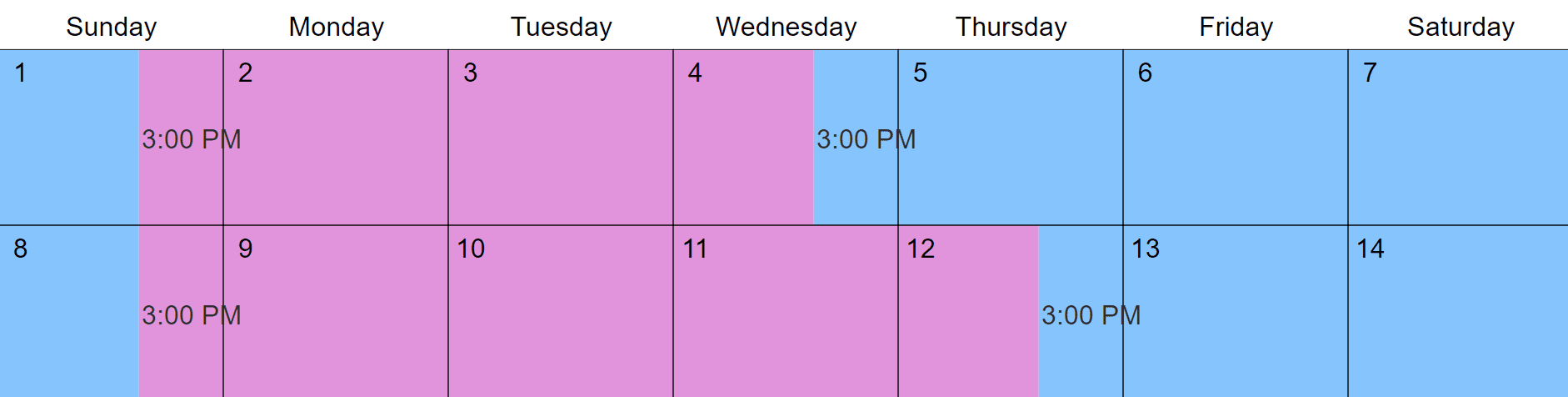
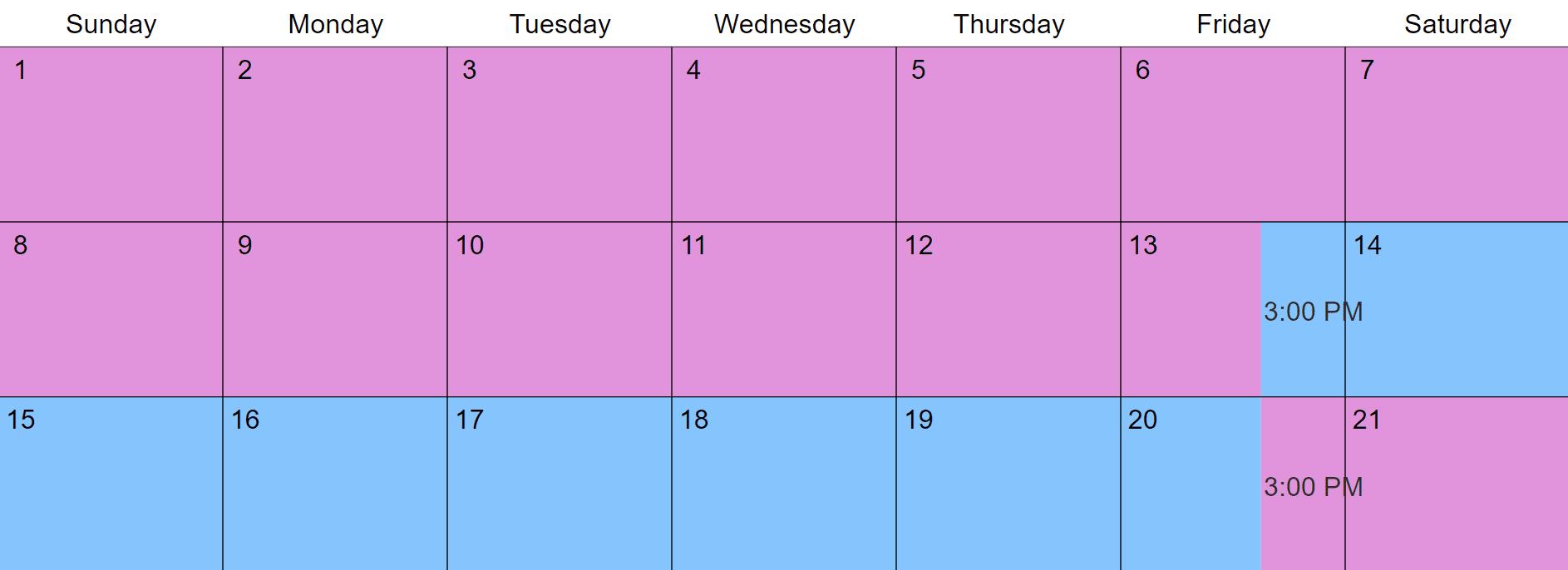
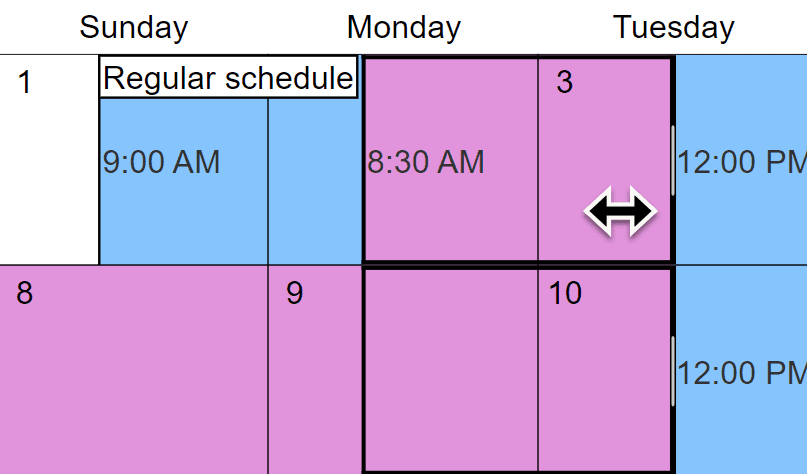
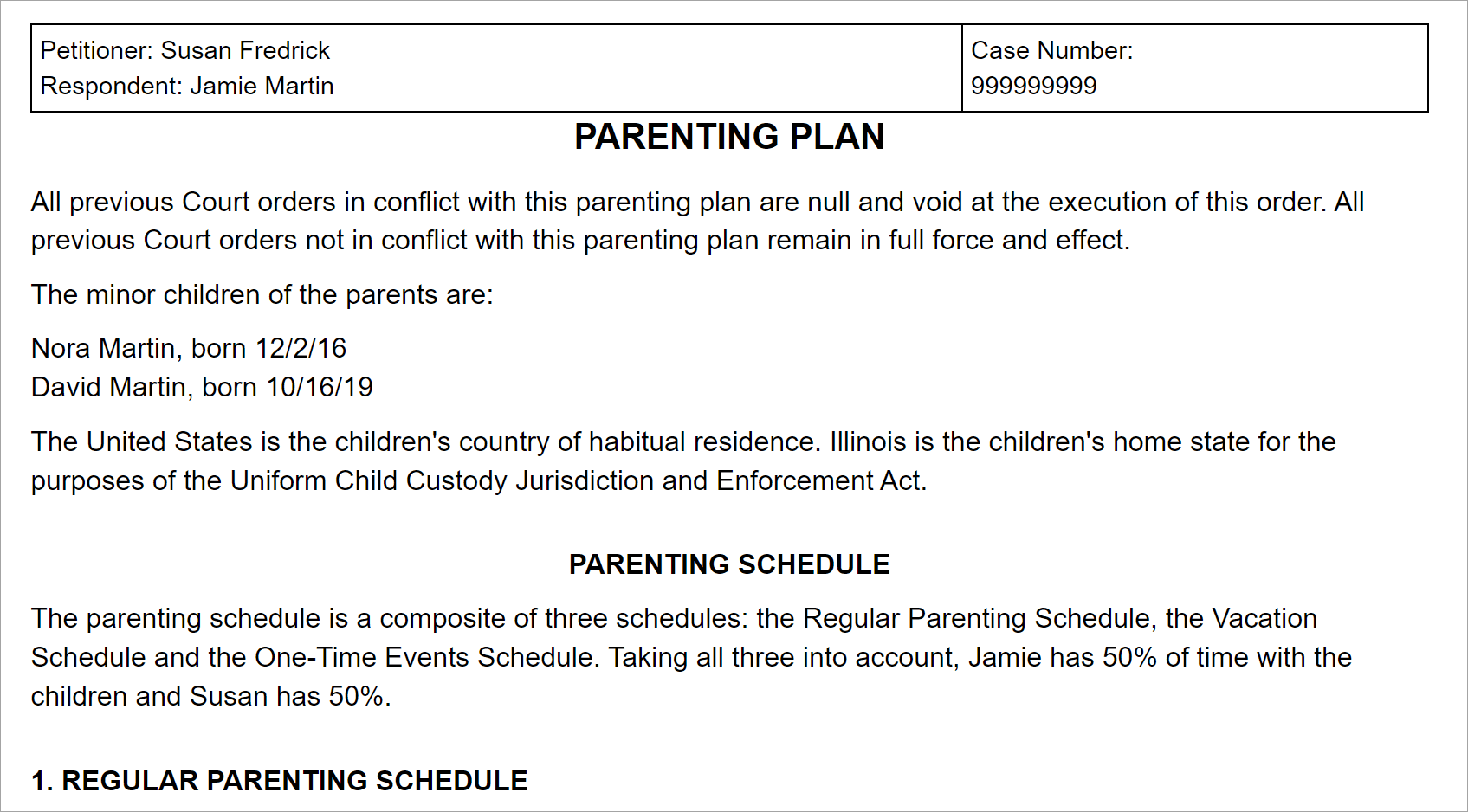
Custody X Change is software that creates custody schedules, calendars, and professional parenting plan documents. Use the free download to see how it can help you.

You can also use Custody X Change to:

  • Explore options for your visitation schedule
  • Negotiate a schedule and agreement with the other parent
  • Show your attorney schedules that you like
  • Prepare sample schedules and plans for mediation
  • Make a schedule and plan to present in court
In Illinois, how can the law help me as I create my child custody schedule?

The State of Illinois has laws pertaining to the custody and visitation of children which should be kept in mind when creating a child visitation schedule in the state.

The laws can be found in the Illinois Compiled Statutes, Chapter 750, Families.

There are statutes in place defining the types of custody, mandating the submission of a parenting plan and what that plan should include, and designating what factors the court considers when making a ruling on custody.

The law even has specific rules about visitation for non-parents, enabling grandparents, siblings, and other relatives the ability to petition the court for visitation

It is important to be aware of the laws in order to create a child visitation schedule that is in compliance with the law and also to be prepared for the child custody process.

What is the process for creating a child visitation schedule in Illinois?

In any legal action involving custody of a child in the State of Illinois, parents are required to submit a Joint Parenting Agreement to the court (750 ILCS 5/602.1). The court will then attach a child visitation schedule, or custody schedule, to the agreement.

The child visitation schedule can be written by the parents or the court will provide one if you fail to come to an agreement.

It is always better for you to make every effort to work together when creating a child visitation schedule, as you are intimately aware of the needs of your child and the availability of each parent.

The court does not have the time or resources available to become acquainted with the needs of every child in a custody proceeding, and often times issues a "standard" schedule as the court order when parents cannot agree. A "standard" schedule may or may not be in the best interests of your child, depending on your circumstances.

Creating your own schedule ensures the child visitation schedule will accommodate both of the parents' schedules and be what is best for your child.

What are my chances of being awarded joint custody in Illinois?

The State of Illinois does not have a presumption in favor of or against joint custody, but does presume that the maximum participation and involvement in a child's life by each parent is beneficial to the child, as long as the parents are not a danger to the child (750 ILCS 5/602c).

Parental rights are not severed when parents separate or live apart from each other (750 ILCS 5/602.1a), so unless the court finds a good reason as to why a parent should not be entitled to joint custody, it will be granted.

Parents that are perpetrators of domestic violence, sex offenders, murderers, etc. are obviously not considered to be people capable of properly raising a child, and the court is very stringent about protecting children from these types of people.

Those offenders will be fortunate to be awarded supervised visitation, if any at all. Therefore, if you and the other parent are not child abusers, drug addicts, sex offenders, etc., it is highly probable that you will be awarded joint custody.

In Illinois, how does the court decide on joint custody arrangements?

There are a few factors the court considers when making a decision on joint custody, found in the Illinois Marriage and Dissolution of Marriage Act (750 ILCS 5/602.1c). The court will consider:

  • The living arrangements and domicile of each parent
  • The ability of each of the parents to cooperate with each other and adhere to the Joint Custody Agreement
  • Any relevant factors that would have an impact on the child's best interests

Sharing joint custody mean that both parents will share responsibilities for making important decisions in the child's life. Until your child reaches adulthood, decisions will need to be made regarding the child's religious upbringing, the child's school and educational needs, the child's health and medical care, and many other aspects of the child's life.

Although you and the other parent may not have been able to agree on many things, (hence the reason for the separation), it is crucial that you make every effort to set animosities aside and form a parenting partnership.

Sharing joint custody in the State of Illinois does not necessarily mean that the parents will need to share the child's time equally (750 ILCS 5/602.1d), but you may do so if you would like.

In Illinois, how does the court decide what the child's best interests are?

Part VI in Section 5 of Chapter 750 has a list of factors that the court considers when it determines what is in the best interest of the child. Here are the factors and some ways that they can influence your schedule:

  • The wishes of the parents and child regarding the custody arrangements. You should think about the desires of both parents with the custody schedule so that both parents will support it. If you child is mature enough and has a strong preference about where to live or visitation in the schedule, you should consider his/her wishes.
  • The interaction and interrelationship of the child with each parent, the child's siblings, and other persons who affect the child's best interest. As you make your schedule, think about the important relationships in your child's life and how the schedule will affect them. For example, it isn't good for your child to never be able to see a close friend or sibling because of the custody schedule.
  • The child's adjustment to home, school, and community. You must consider the extra activities that your child is involved with at school and in the community. This will impact how you schedule parenting time. You must also think about your child's schooling and come up with a consistent schedule that allows your child to complete necessary schoolwork.
  • The willingness and ability of each parent to facilitate and encourage a close and continuing relationship between the other parent and the child. Both parents should be supportive of the child as the child maintains a relationship with the other parent. A parent who is not able to put the child's needs first should have less time with the child.
  • Any danger to the child by either parent. If either parent has a history of physical violence or abuse (whether against the child or against others) that parent may have limited or supervised visitation with the child. It is obviously not in the best interest of the child to be in dangerous circumstances.

These factors can aid you in creating a schedule that is best for your child. It's good to think about all aspects of your child's life as you make a calendar of where your child will be.

If you can make a schedule that supports your child's needs, you will find that your child will adjust much more quickly to the new family situation. This can help relieve you of stress concerning your child.

What should I include in my Illinois custody and visitation schedule?

There is no right or wrong schedule as long as the needs and best interests of your child are being met. Your child visitation schedule can be as unique as your child, but there are a few elements that your child visitation schedule should include:

  • A regular visitation schedule. This is the foundation of your child visitation schedule. It should clearly define when and where the child will spend time with each parent on a regular basis.
  • A holiday schedule. The holiday schedule is a supplement to the regular schedule, and details which holidays the child will spend with each parent and when. Birthdays, Mother's Day, Father's Day, three day weekends and any other special days may be included in the holiday schedule. Many parents simply rotate and alternate the holidays but you may choose to divide them as you feel is best.
  • A vacation schedule. The vacation schedule can be detailed, such as allotting specific time with each parent during school breaks, but it can also be a little flexible in order to accommodate personal vacation time. An example of the flexibility would be a statement granting two weeks of vacation time with either parent in the summer with 30 days advance notice.

Your child visitation schedule should be created with the child's best interests as the main priority and written in a manner that optimizes the amount of quality time the child has with each parent.


Related articles:

The top twenty cities in Illinois (by population, US Census Bureau, 2008) are: Chicago, Aurora, Rockford, Joliet, Naperville, Springfield, Peoria, Elgin, Waukegan (Lake County), Cicero, Champaign, Evanston, Decatur, Arlington Heights, Bloomington, Schaumburg, Bolingbrook, Palatine, Skokie, Tinley Park.